- today
- perm_identity Igor z Balticbhp
- label News
- favorite 3 likes

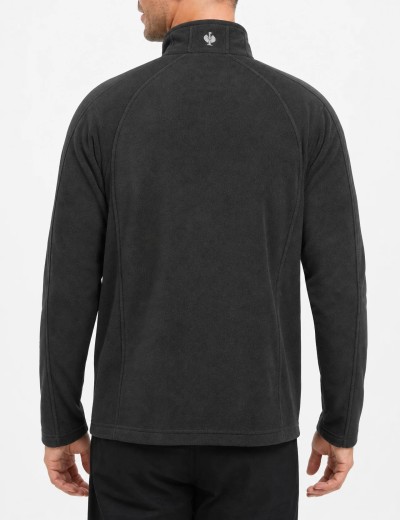
In this article, you’ll get a complete guide on how to choose the right second layer of workwear. If you’re wondering whether to pick a sweatshirt, fleece, or softshell for winter, this material provides a full guide that will help you make an informed decision. You’ll get all the key information about:
- what the functions of a second clothing layer are
- which popular materials are used in production
- what to look for when buying a sweatshirt, fleece, or softshell
- facts and myths about sweatshirts and fleeces
- BONUS – how to care for and wash sweatshirts and fleece
- a Q&A section about work sweatshirts and fleece
What are the functions of the second layer of workwear – practical tips
Ok, as always, I don’t want to bore you, so let’s focus on the essentials. In a layered workwear system, the middle layer (often a sweatshirt) serves two key functions:
- Thermal Insulation: Its job is to trap the heat your body produces during movement so you don’t cool down.
- Moisture Transport: It must effectively pull moisture from the base layer and move it to the outer layer or allow it to evaporate (if you’re not using a third layer), helping to prevent getting soaked with sweat.
Of course, modern work sweatshirts also offer an additional set of features that increase their usefulness:
- Improved visibility: if you choose a model with reflective strips.
- Storage: thanks to pockets.
- Special protection: e.g., fire resistance, arc protection, or acid protection in multinorm garments.
Which materials are commonly used to produce sweatshirts and mid-layers?
The second layer can be made from various fabrics tailored to specific needs:
- Cotton
- Cotton–polyester blends (polyester improves durability)
- Synthetic materials such as polyester or polyamide
- Merino wool and wool blends – often considered the best due to thermal regulation and antibacterial properties, although the most expensive.
What should you pay attention to when buying a sweatshirt or mid-layer?
When choosing the ideal middle layer, focus on priorities:
- Match your choice to the type of work you mainly do. Think about how you use the garment most of the time and pick a model suited to that 95% of your working day. If you move a lot between job sites and stand in wind or light rain, choose a softshell. If you mostly sit at a desk, a fleece or sweatshirt will work best.
Facts and myths about work sweatshirts and fleeces – key points
You’ve probably heard many opinions about what you “should” buy, what works, and what doesn’t. Don’t worry — we’ve checked some of the most popular facts and myths about work fleeces and sweatshirts. Below you’ll find the most common ones and their explanations.
Myths about work sweatshirts:
⛔ “A thin fleece will be too cold.” – Not true. There is no simple correlation between fleece thickness and insulation. The key role is played by the air trapped in the material structure.
⛔ “A softshell will protect me from rain.” – No. Unlike a hard shell (outer waterproof jacket), a softshell only offers limited rain resistance. If you plan to use it in light rain, make sure to properly re-impregnate it.
⛔ “A cotton sweatshirt is better than a polyester one.” – No! Cotton sweatshirts, although natural, are less durable, more prone to pilling, shrinking, and fading. Pure cotton also performs very poorly with moisture — once soaked with sweat, it will likely make you feel cold.
Facts about work sweatshirts:
✅ Fleece has excellent hydrophobic properties – it hardly absorbs moisture and efficiently transfers it from the base layer.
✅ Pilling (fabric balls) on cotton is a natural process – it’s usually the effect of friction and washing; the balls are simply tangled fibers.
✅ A softshell is the most universal type of second-layer clothing – if it’s lined with fleece, you can wear it as a 2-in-1 solution.
Fleece, sweatshirt, or softshell — which one should you buy for work? Practical tips
Still unsure? Here’s a summary of the most important things to help you choose the right option.
👍 Always choose the garment that fits your needs for 90% of your working time. There’s no point buying a softshell if you work indoors most of the day. Softshells are mainly designed to block wind and water — which you don’t need inside. I choose them when the weather is bad and I may encounter light rain.
👍 Sweatshirts and fleeces are also great after work — for hiking or cycling. They breathe well and are comfortable indoors. If you choose a sweatshirt, I recommend polyester or a polyester–cotton blend. If your budget allows, a wool sweatshirt offers the best insulation.
👍 Pay attention to ventilation panels — they work great in sweatshirts and help improve breathability in “problematic” areas.
⛔ If I had to choose just one, I’d go for a good fleece or a technical polyester sweatshirt. This option suits most applications, is durable, and provides thermal comfort. A cotton sweatshirt comes last; softshell sits in the middle.
How to wash work sweatshirts and softshells? Practical recommendations
Now that you know what to buy, you also need to know how to take care of it:
✅ Always wash inside out, zip everything up, and if possible use washing bags (I recently ruined my favorite running long sleeve — the washing machine tore a huge hole in it!).
✅ Even though polyester is heat-resistant and doesn’t usually shrink, wash at 30–40°C to avoid damaging technical fibers.
✅ Be careful with Velcro — it can damage fleece fabric. Always fasten it before washing.
✅ Use detergents for technical clothing so your garments retain their breathability.
✅ For softshells, use dedicated softshell care liquids — it costs around 20 PLN and makes a huge difference in rain resistance.
Buying a work sweatshirt, fleece or softshell – practical checklist
- Identify the type of work you perform most of the day
- Think about whether you’ll use the sweatshirt indoors or outdoors — this can influence whether a softshell is the better choice
- Check whether the garment has waist adjustment — useful in colder conditions
- If buying in-store, check whether the sweatshirt can be zipped into your 2-in-1 jacket
- Check whether the model includes ventilation panels
- Check whether the model has reinforced elbows — these extend the product’s lifespan
Work fleece & sweatshirt buying guide — Q&A
Question: Is it better to choose a cotton sweatshirt or one made from a cotton–polyester blend?
Answer: It all depends on the type of work you do. Pure cotton sweatshirts are not very durable and wear out quickly. I recommend choosing models with a polyester blend for better color retention and greater durability.
Question: My cotton sweatshirt pilled very quickly — does that mean the material is poor quality?
Answer: No, it doesn’t mean the material is poor quality. Pilling, especially on cotton, is a normal process caused by fibers tangling and forming small balls. It’s not a defect — it’s simply a natural effect of wear and washing.
Related products
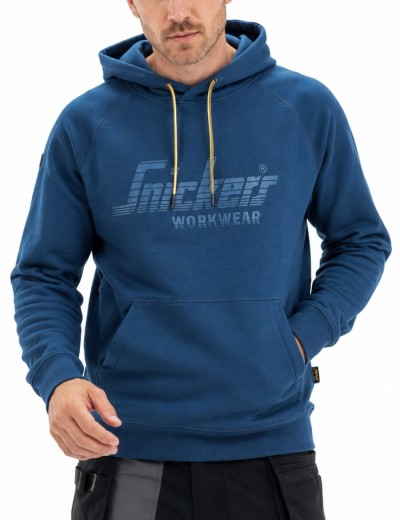
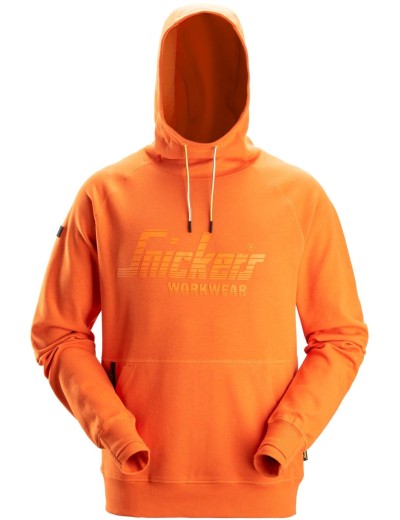
Snickers Workwear
Snickers 2894 work hoodie
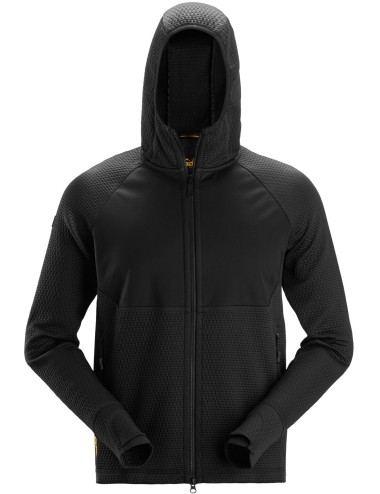
Snickers Workwear
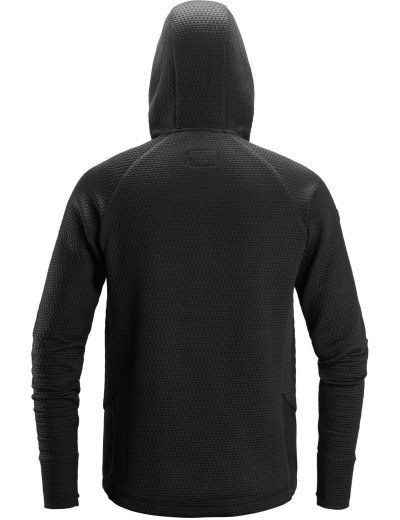
Snickers 8405 Flexiwork zipped hoodie