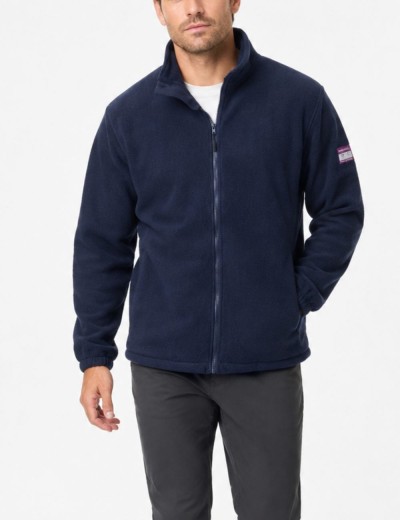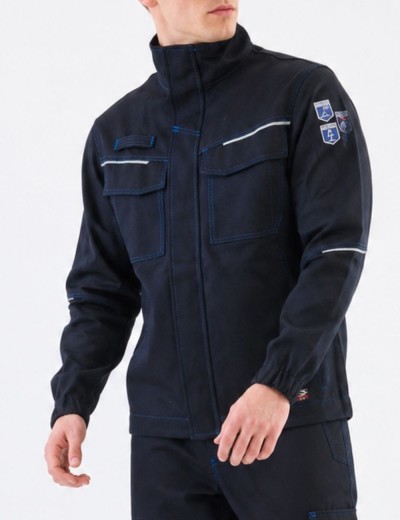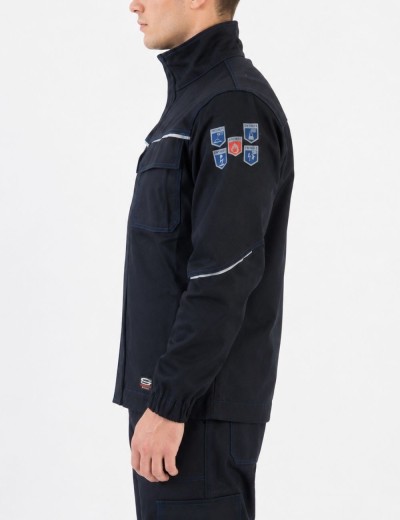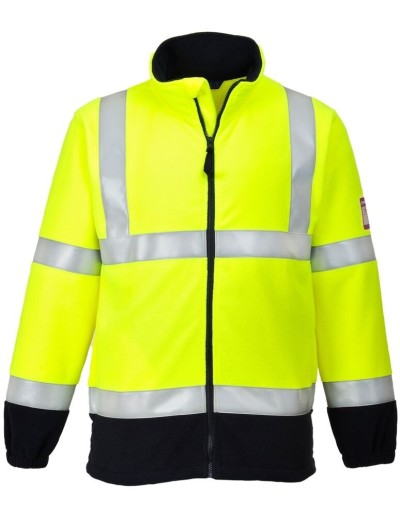
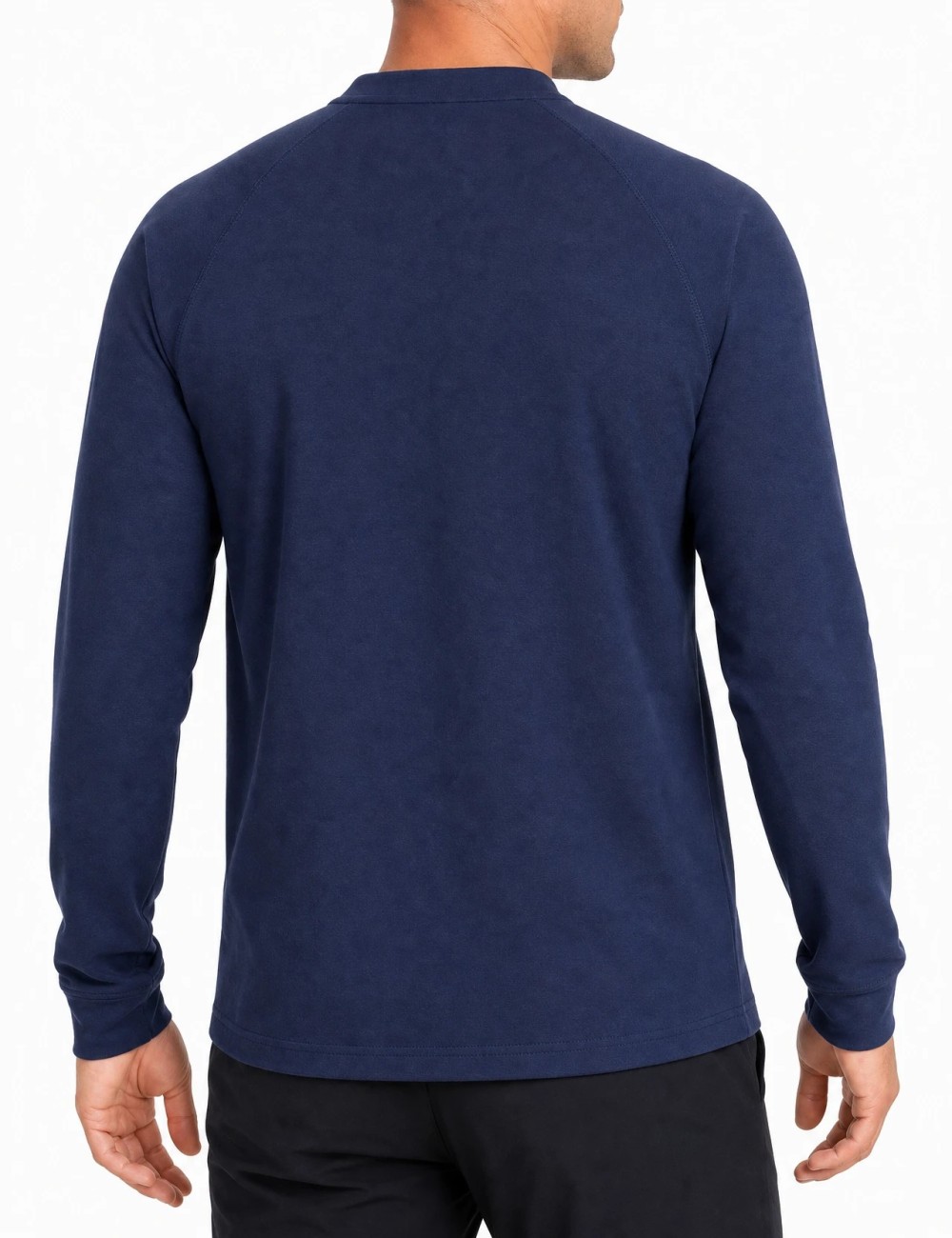
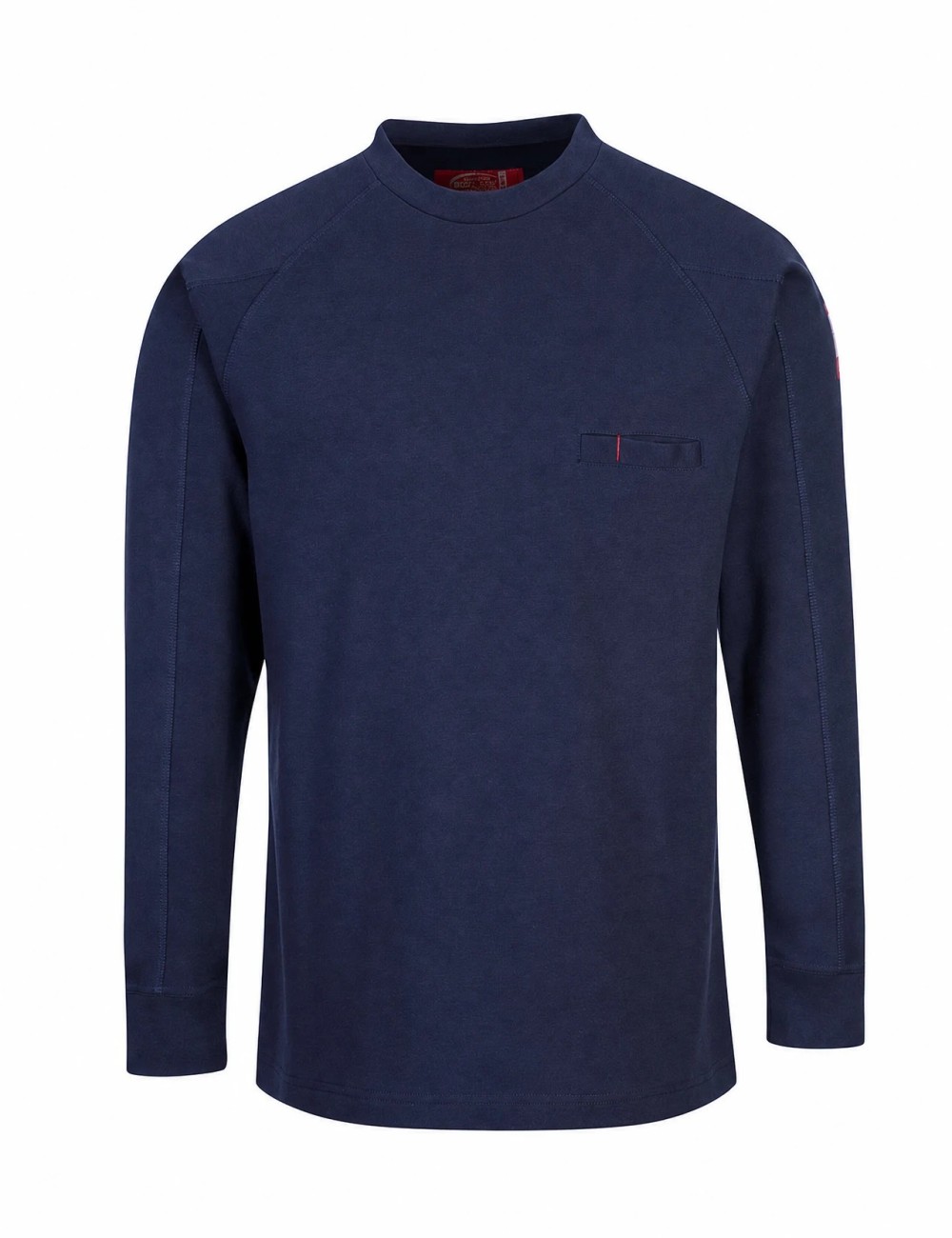
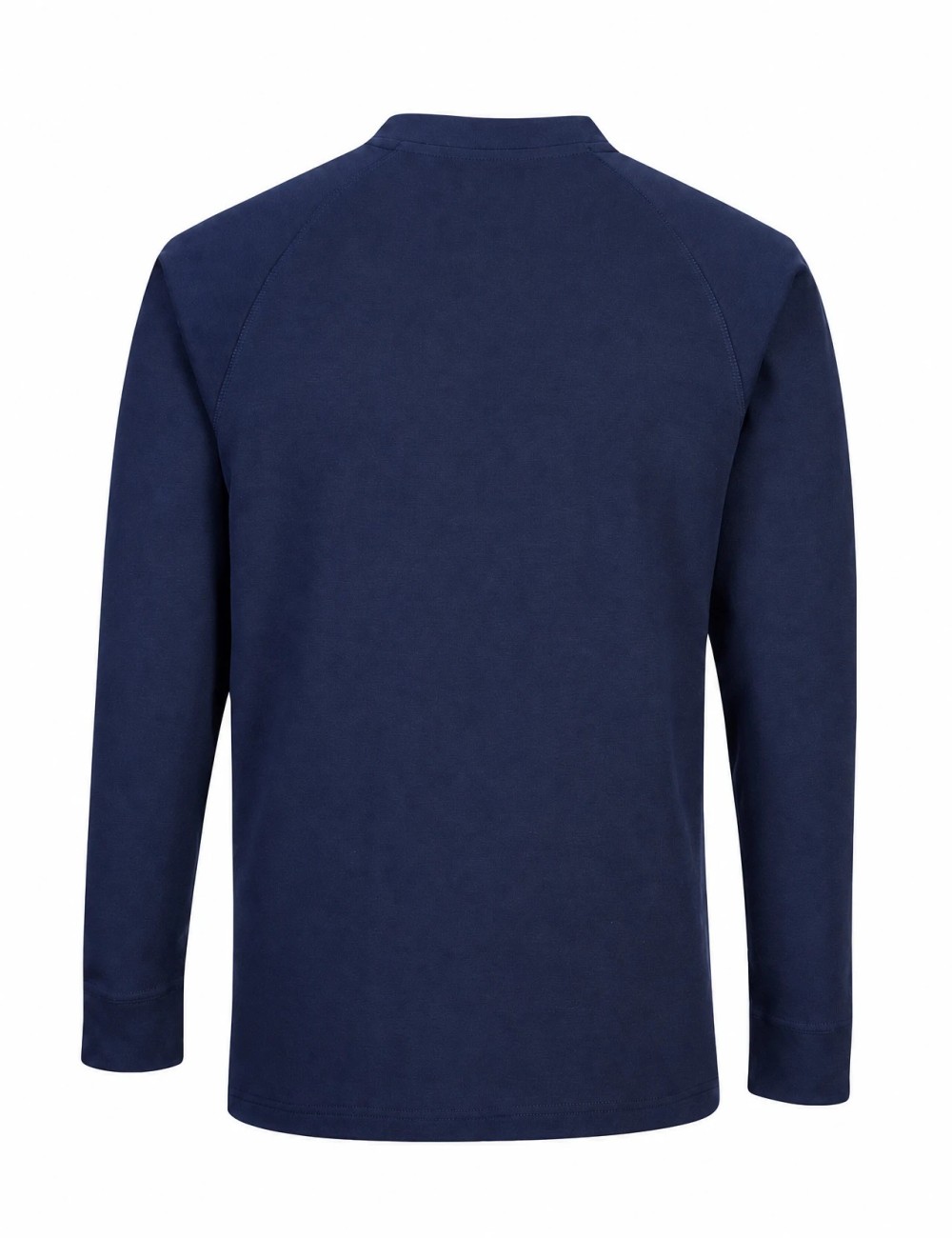
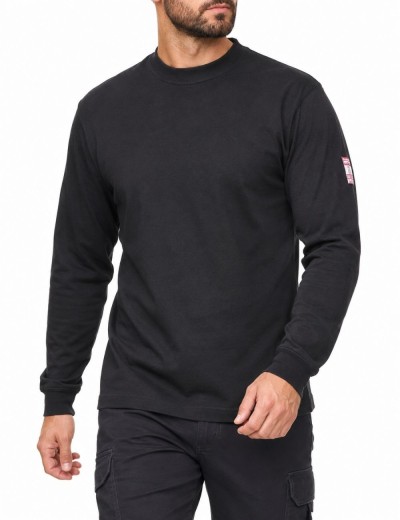
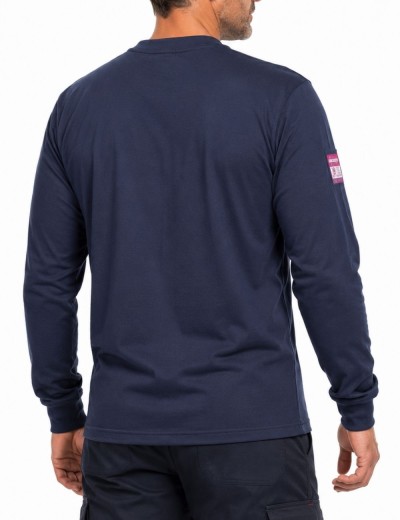
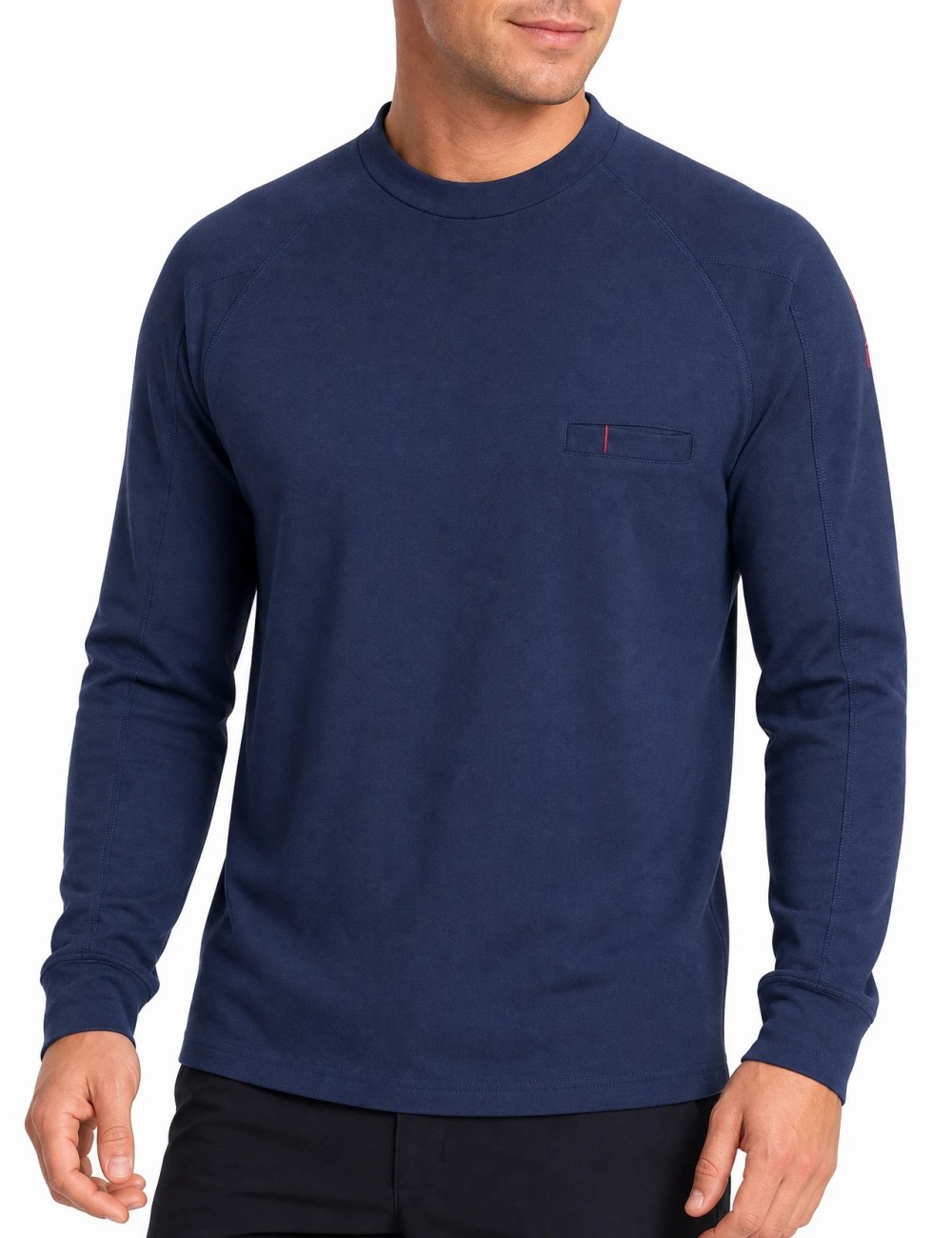
Portwest FR33 Flame Retardant Work Sweater
Portwest FR33 Flame Retardant Work Sweater product features :
- Certified Flame Retardant - Meets NFPA® 2112 and EN ISO 11612 standards, providing protection against ignition and flame during operation.
- Protection against various heat sources - Protects against radiant, convective and contact heat and is tested according to EN 61482-1-1 and EN 61482-2 (ATPV/ELIM).
- Antistatic protection - Complies with EN 1149‑5, reduces the risk of electrostatic discharge in ESD -sensitive environments.
- Arc Flash Protection - ATPV/ELIM testing indicates performance at risk of arc flash (e.g. ATPV 10-15 cal/cm²), in accordance with ASTM F1959/F1959M and EN 61482.
- Durable Materials - Made from Bizflame knit fabric of 99% cotton and 1% carbon fiber (237 g/m²) and reinforced with flame-retardant aramid thread for improved durability.
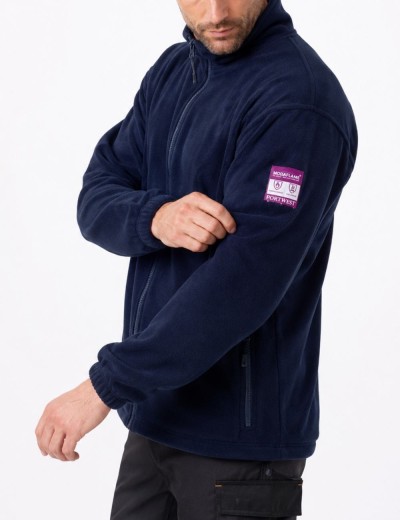
- Elements that improve wearing comfort - Raglan sleeves and soft knit cuffs ensure comfort and freedom of movement throughout the working day.
- Practical pocket solutions - It has a covered chest pocket with a pen compartment and an additional pocket on the sleeve for safe storage of small items.
- Increased cuff safety - Flame-retardant cuffs reduce the risk of ignition at the sleeve ends, increasing protection when working near heat sources.
- UV Protection - The fabric offers UV protection of 40+ (blocking 98% of UV rays), which protects against sun exposure when working outdoors.
- Designed for ATEX environments and multi-protection - Suitable for wear in ATEX environments and has a CE CAT III classification, confirming compliance with personal protective equipment requirements.
FAQ - Portwest FR33 Flame Retardant Work Sweater
What safety standards does Portwest FR33 sweater meet?
The sweater meets, m.in. NFPA® 2112, EN ISO 11612 (A1+A2, B1, C1, F1), EN 1149-5 and standards related to electric arc (EN 61482-1-1, EN 61482-2) and ASTM (F1506, F1959).
Under what conditions does the material provide protection against UV rays?
The fabric offers UV protection of 40+ and blocks approximately 98% of UV rays, which is useful when working outdoors and in direct sunlight.
What is carbon fiber used for in knitwear?
Carbon fibre added to the knitted fabric provides antistatic properties and supports compliance with EN 1149-5 standards.
What solutions are used for storing tools and small items?
The model features a covered chest pocket with a pen compartment and a sleeve pocket for safe storage of essential items.
In what industrial environments can this sweater be used?
Thanks to its flame retardant, antistatic and arc protection properties, the sweater is suitable for industrial applications with a risk of fire, electrostatic discharge and electric arc; it is also approved for use in ATEX environments.
Questions
Be the first to ask a question about this product!
Question about the product
Details
EN 11612 - Clothing for protection against heat and flame
EN 61482 - Protective clothing against the thermal hazards of an electric arc
Flame retardant
Kieszeń na rękawie
Comments
Manufacturer: Portwest

EU responsible person:
Portwest Polska
Wiejska 49
41-250 Czeladz Poland
obslugaklienta@portwest.com
Download - General safety instructions for upper clothing
Safety warnings:
- The product is not intended for children – protective and work clothing is designed exclusively for adults, in sizes and construction tailored to the needs of employees.
- Packaging suffocation or choking hazard – foil or plastic packaging should be stored and disposed of out of reach of children.
- No protection against hazards other than those specified in the product documentation – clothing does not provide protection against fire, chemicals, electricity or radiation unless it is designed and certified for this purpose.
- Reflective clothing:
- Reflective elements lose their effectiveness when they become dirty, wet, discolored or mechanically worn.
- Use in conditions of limited visibility requires adequate lighting and a contrasting background.
- Reflective elements must not be covered with other clothing or accessories.
- Clothing to protect against cold:
- Provides protection only within the range specified in the EN 342 or EN 14058 standards – it does not guarantee safety at extremely low temperatures, below the manufacturer's parameters.
- Layer your clothing as recommended to avoid the risk of hypothermia.
- Getting winter clothing wet can significantly reduce its insulating properties.
- Rainwear:
- Maintaining waterproofness depends on the correct fastening of all elements (zippers, Velcro, buttons, protective strips).
- Mechanical damage, prolonged use or washing at high temperatures may reduce the level of water resistance.
- Intense physical activity can cause moisture to accumulate inside clothing, requiring the use of breathable clothing or intermediate layers.
- Thermal underwear:
- Does not provide protection against direct contact with chemical, thermal or mechanical factors.
- The effectiveness of moisture wicking depends on the proper fit to the body.
- Excessive stretching or damage to the material may reduce its performance properties.
- Maintenance and cleaning:
- Failure to follow washing, drying or storage instructions may result in loss of protective properties.
- The use of chemicals not recommended by the manufacturer (e.g. bleach, solvents) may permanently damage fabrics and protective elements.
- Clothing exchange:
- Clothing that is worn, frayed, mechanically damaged or has visibly deteriorated reflective elements should be replaced immediately.
- Regularly checking the condition of clothing is crucial to maintaining the user's safety.
Products in the same category