
FREE WELDING GLOVES
- New
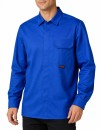
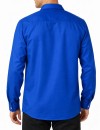
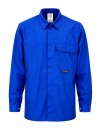
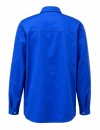
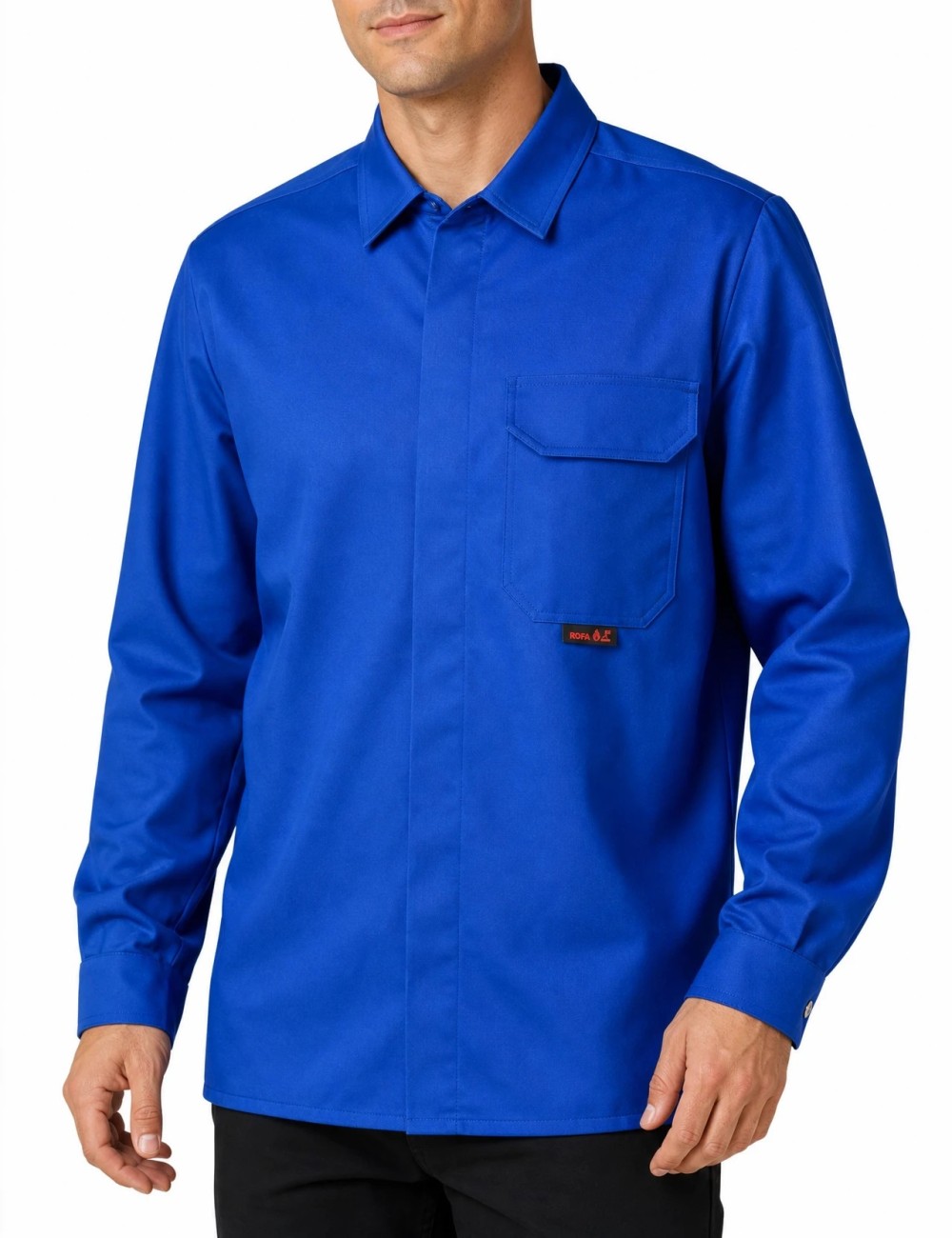
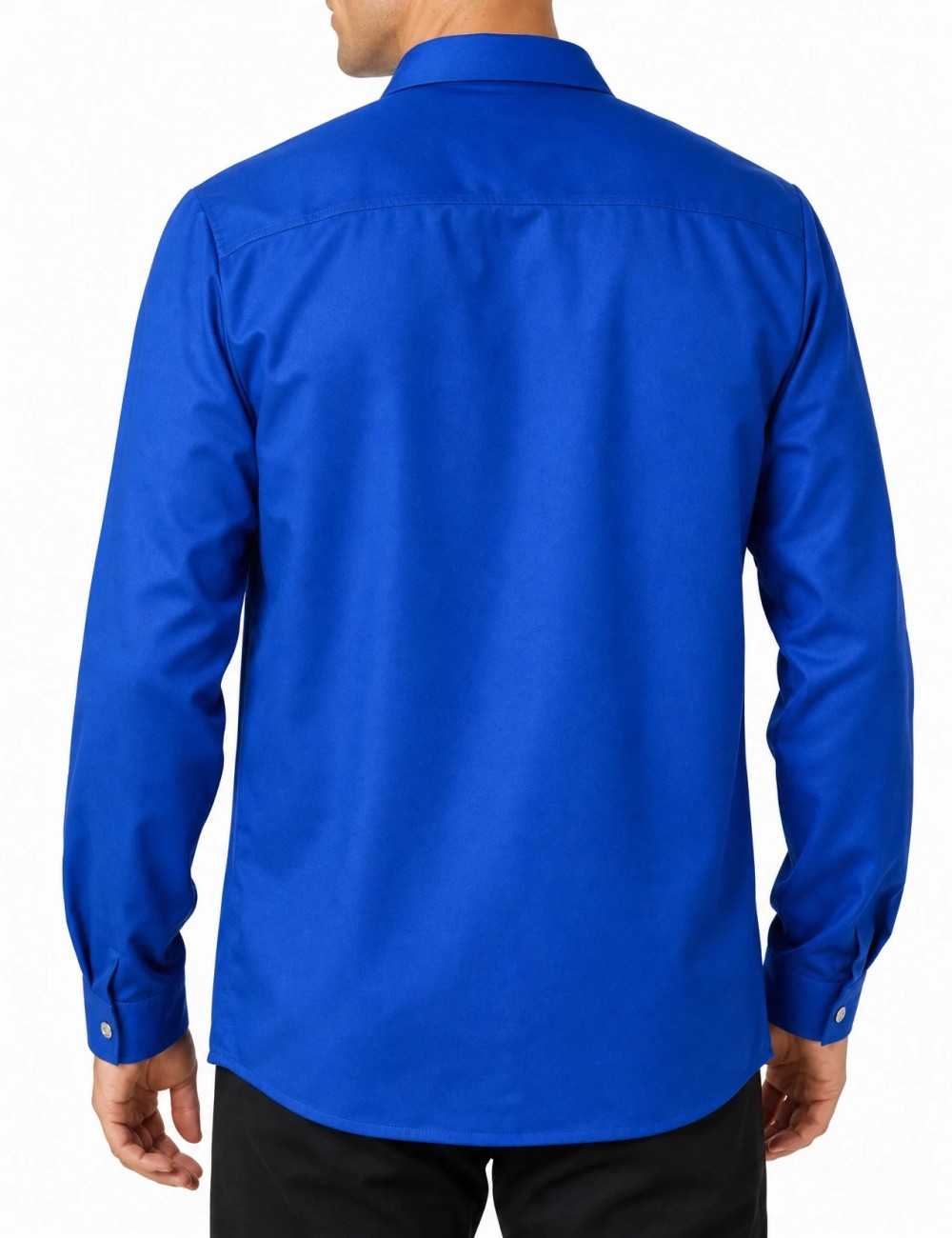
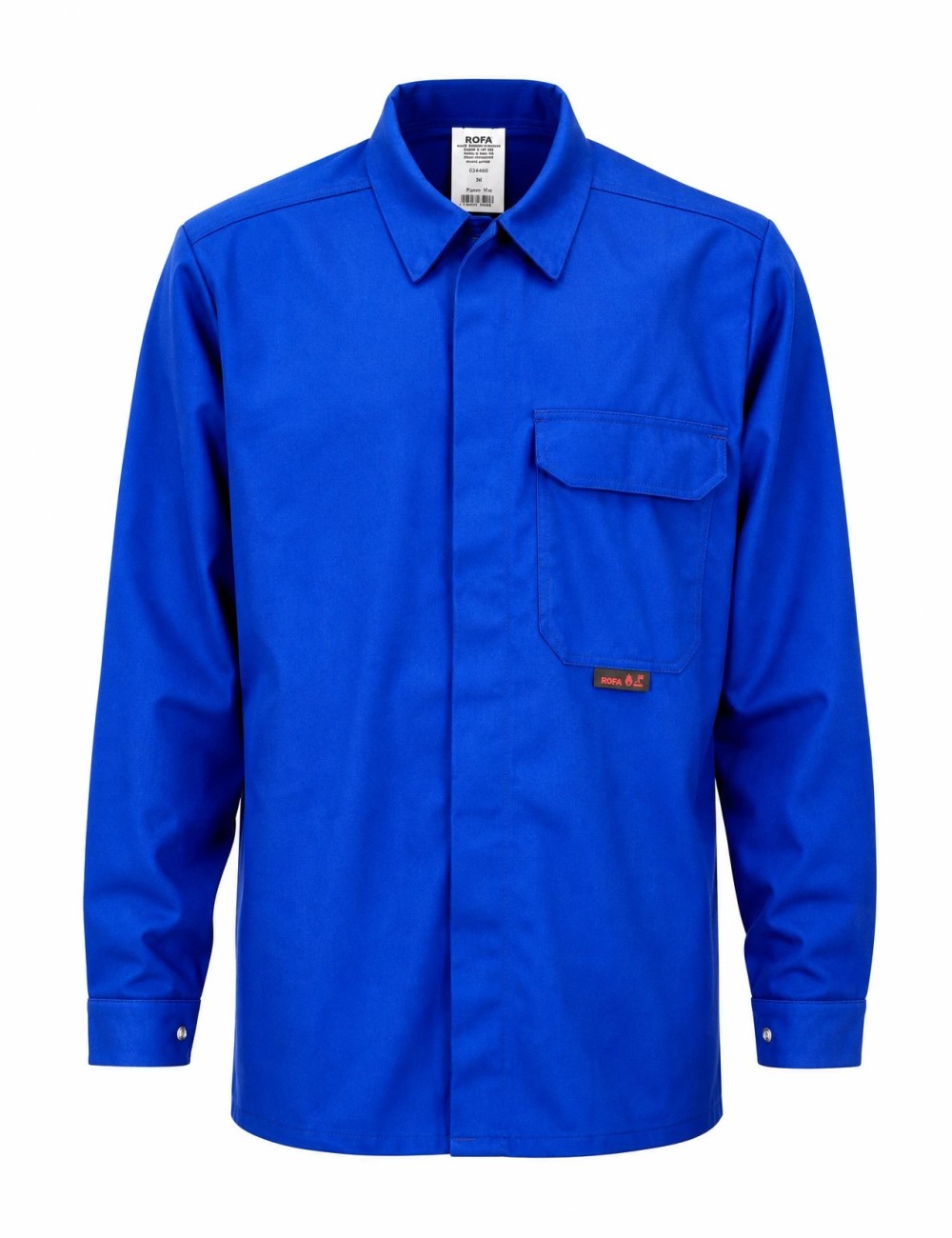
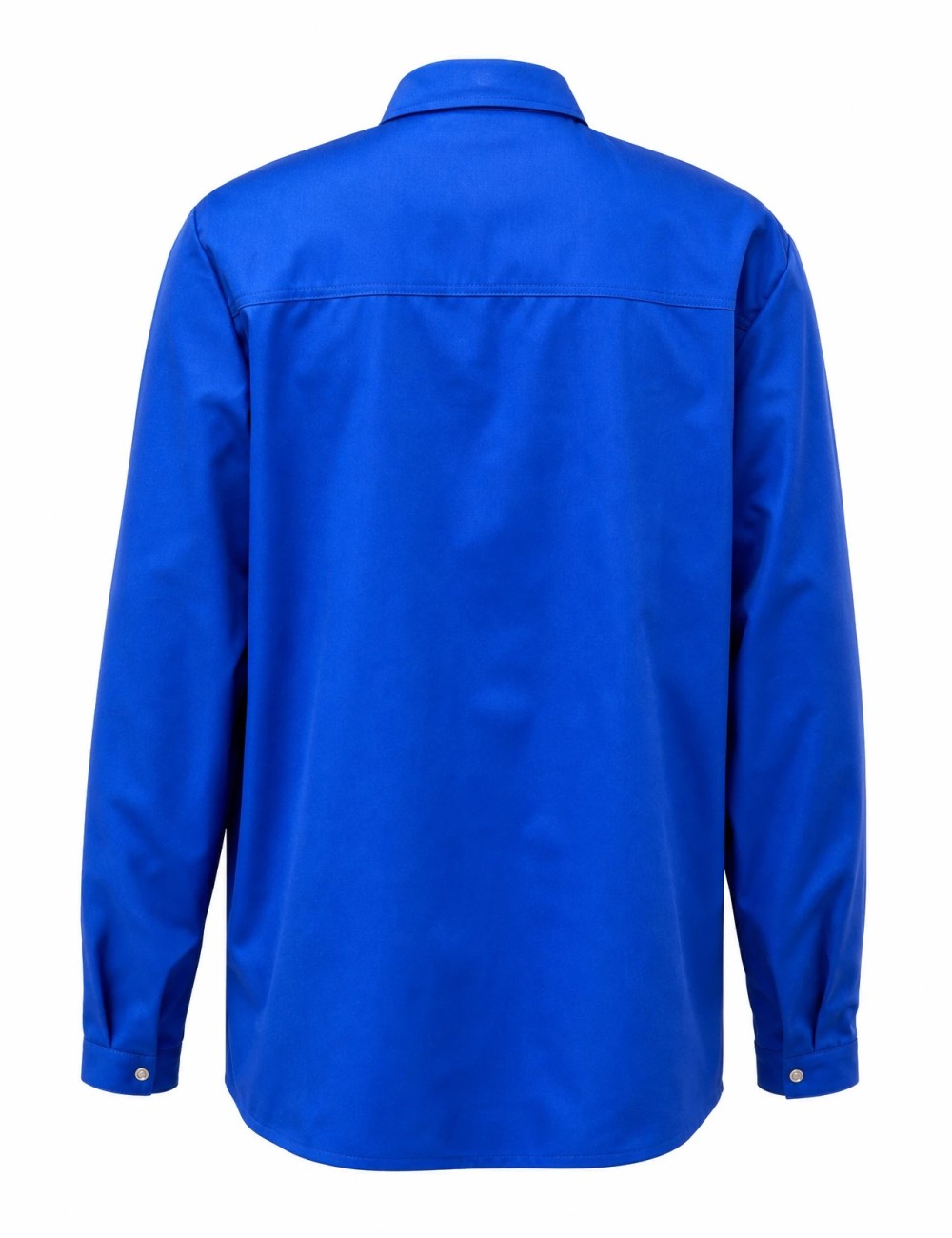
Rofa 82468 welding shirt
Reference
4046181342481
Write your review
Recomended price RRP:
€84.00
Now with discount: -56%
€37.00
Lowest price up to 30 days before reduction begining
: €30.08
Rofa 82468 welding shirt product features :
- Material - 100% cotton twill weave, ensuring durability and comfort while working.
- Proban ® technology - the material is finished with Proban ® technology, which increases flame resistance.
- Weight 250 g/m² - solid fabric designed for professional welding clothing.
- Turn-down collar - a classic design that works well for everyday work.
- Snap fastening - the front of the shirt is fastened with practical snap fasteners.
- Chest pocket - on the left side there is a pocket secured with a flap and snap.
- Adjustable cuffs - the width of the cuffs can be adjusted using snaps.
- EN ISO 11612 A1, A2, B1, C1, F1 - the shirt meets the requirements for clothing that protects against heat and flame.
- EN ISO 11611 class 1, A1 + A2 - the product meets the requirements for protective clothing used during welding and related processes.
FAQ - Rofa 82468 Welding Shirt
What material is the Rofa 82468 shirt made of?
This shirt is made of 100% cotton twill, weighing 250 g/m². The material uses Proban ® technology.
What standards does Rofa 82468 welder's shirt meet?
The model meets the EN ISO 11612 standard in the range A1, A2, B1, C1 and F1 and EN ISO 11611 class 1, A1 + A2.
Questions
Be the first to ask a question about this product!
Question about the product
Details
Type
Shirt
Material
100% Cotton
Composition
100% Cotton
Main fabric weight (g/m²)
250
Standards EN
EN 11611 - Protection during welding and allied processes
EN 11612 - Clothing for protection against heat and flame
EN 11612 - Clothing for protection against heat and flame
Style
Regular
Season
Year-round
Breathability
Standard
Additional features
Antistatic
Flame retardant
Flame retardant
Pockets
Chest pocket
Technology
Proban
Hood
Without hood
Layer
Outer layer
Adjustability
Adjustable cuffs
Pattern
Solid colour
Age group
Adults
Sex
Men's
Comments
0.0
Number of reviews: 0
Manufacturer: Rofa Arbeitskleidung

EU responsible person:
ROFA Bekleidungswerk GmbH & Co. KG
Fabrikstraße 23
48465 Schüttorf
info@rofa.de
Download - General safety instructions for upper clothing
Safety warnings:
- The product is not intended for children – protective and work clothing is designed exclusively for adults, in sizes and construction tailored to the needs of employees.
- Packaging suffocation or choking hazard – foil or plastic packaging should be stored and disposed of out of reach of children.
- No protection against hazards other than those specified in the product documentation – clothing does not provide protection against fire, chemicals, electricity or radiation unless it is designed and certified for this purpose.
- Reflective clothing:
- Reflective elements lose their effectiveness when they become dirty, wet, discolored or mechanically worn.
- Use in conditions of limited visibility requires adequate lighting and a contrasting background.
- Reflective elements must not be covered with other clothing or accessories.
- Clothing to protect against cold:
- Provides protection only within the range specified in the EN 342 or EN 14058 standards – it does not guarantee safety at extremely low temperatures, below the manufacturer's parameters.
- Layer your clothing as recommended to avoid the risk of hypothermia.
- Getting winter clothing wet can significantly reduce its insulating properties.
- Rainwear:
- Maintaining waterproofness depends on the correct fastening of all elements (zippers, Velcro, buttons, protective strips).
- Mechanical damage, prolonged use or washing at high temperatures may reduce the level of water resistance.
- Intense physical activity can cause moisture to accumulate inside clothing, requiring the use of breathable clothing or intermediate layers.
- Thermal underwear:
- Does not provide protection against direct contact with chemical, thermal or mechanical factors.
- The effectiveness of moisture wicking depends on the proper fit to the body.
- Excessive stretching or damage to the material may reduce its performance properties.
- Maintenance and cleaning:
- Failure to follow washing, drying or storage instructions may result in loss of protective properties.
- The use of chemicals not recommended by the manufacturer (e.g. bleach, solvents) may permanently damage fabrics and protective elements.
- Clothing exchange:
- Clothing that is worn, frayed, mechanically damaged or has visibly deteriorated reflective elements should be replaced immediately.
- Regularly checking the condition of clothing is crucial to maintaining the user's safety.