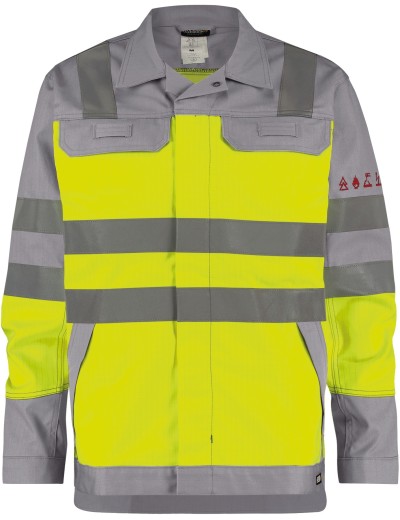
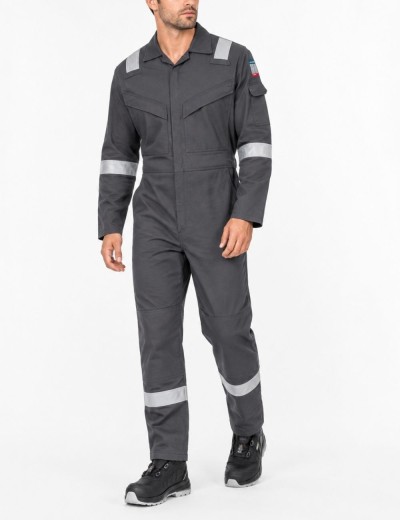
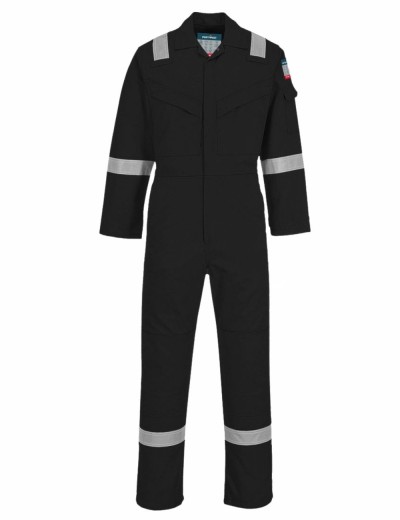
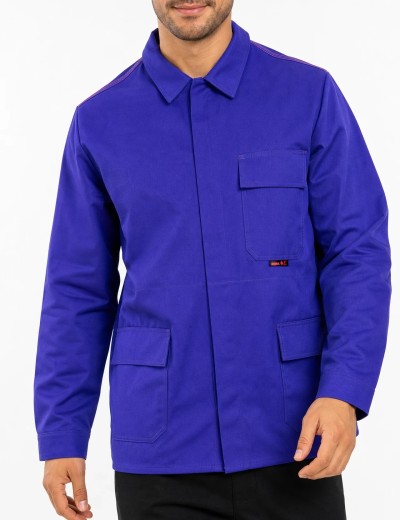
Manufacturer: Sir Safety
EU responsible person:
Sir Safety System S.p.A.
Via dei Fornaciai 9
Assisi 06081
sir@sirsafety.com
Download - General safety instructions for upper clothing
Safety warnings:
- The product is not intended for children – protective and work clothing is designed exclusively for adults, in sizes and construction tailored to the needs of employees.
- Packaging suffocation or choking hazard – foil or plastic packaging should be stored and disposed of out of reach of children.
- No protection against hazards other than those specified in the product documentation – clothing does not provide protection against fire, chemicals, electricity or radiation unless it is designed and certified for this purpose.
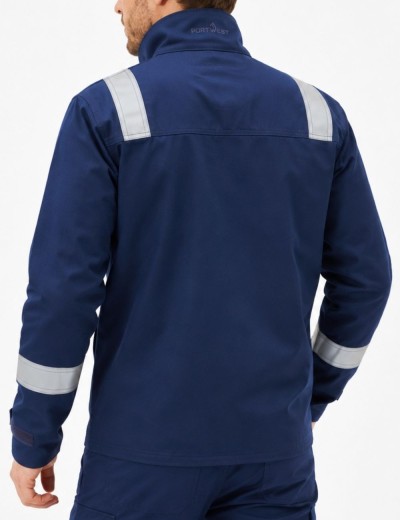
- Reflective clothing:
- Reflective elements lose their effectiveness when they become dirty, wet, discolored or mechanically worn.
- Use in conditions of limited visibility requires adequate lighting and a contrasting background.
- Reflective elements must not be covered with other clothing or accessories.
- Clothing to protect against cold:
- Provides protection only within the range specified in the EN 342 or EN 14058 standards – it does not guarantee safety at extremely low temperatures, below the manufacturer's parameters.
- Layer your clothing as recommended to avoid the risk of hypothermia.
- Getting winter clothing wet can significantly reduce its insulating properties.
- Rainwear:
- Maintaining waterproofness depends on the correct fastening of all elements (zippers, Velcro, buttons, protective strips).
- Mechanical damage, prolonged use or washing at high temperatures may reduce the level of water resistance.
- Intense physical activity can cause moisture to accumulate inside clothing, requiring the use of breathable clothing or intermediate layers.
- Thermal underwear:
- Does not provide protection against direct contact with chemical, thermal or mechanical factors.
- The effectiveness of moisture wicking depends on the proper fit to the body.
- Excessive stretching or damage to the material may reduce its performance properties.
- Maintenance and cleaning:
- Failure to follow washing, drying or storage instructions may result in loss of protective properties.
- The use of chemicals not recommended by the manufacturer (e.g. bleach, solvents) may permanently damage fabrics and protective elements.
- Clothing exchange:
- Clothing that is worn, frayed, mechanically damaged or has visibly deteriorated reflective elements should be replaced immediately.
- Regularly checking the condition of clothing is crucial to maintaining the user's safety.