

If you’re wondering which thermal underwear to choose for winter, start with one question: will you be moving a lot, or spending time standing still? That choice determines whether a lightweight moisture-wicking layer or a warmer model designed to hold heat close to the body will work best. In practice, the first layer is what decides whether you still feel comfortable after an hour of work or a long walk.
If you want to browse options straight away, take a look at our winter thermal underwear range. Further down, we explain the difference between thermal and thermoactive underwear, and how to match it to your conditions instead of choosing blindly.
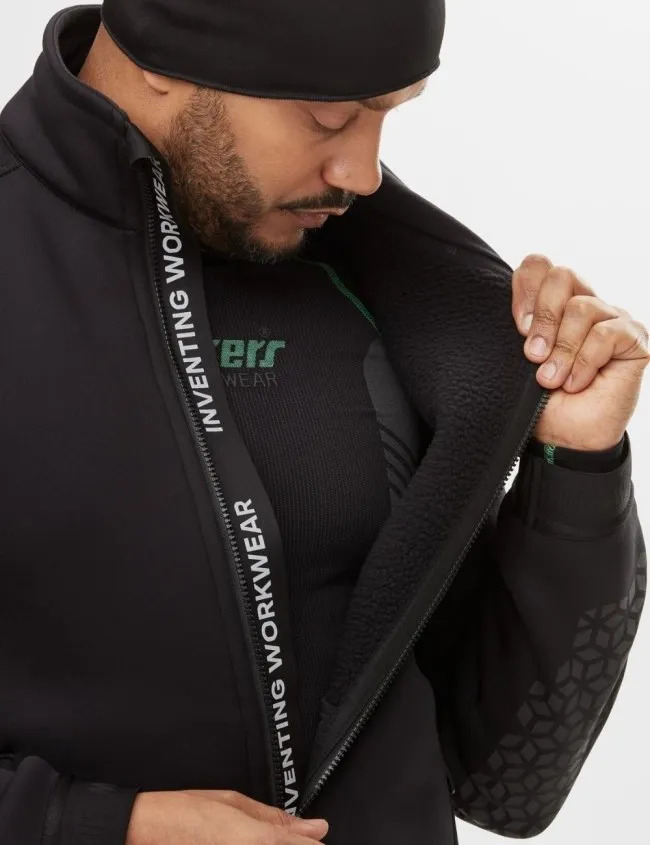
How does thermoactive underwear differ from thermal underwear?
Thermal underwear is primarily meant to help retain warmth, while thermoactive underwear also wicks moisture away from the skin. In practice, that means a thermoactive model is usually better for hard physical work, while thermal insulation matters more when you are standing still in the cold.
This distinction matters, because thickness alone does not solve the problem. A layer that is too warm during intense movement can cause overheating, and then you may feel chilled once you stop. That is why it is worth looking not only at the product name, but also at its intended use.
Thermal underwear should not be treated as a random extra layer under a jacket. It is the first layer, and it needs to work together with the rest of your clothing. When your layering system is right, it is much easier to keep a stable body temperature and avoid that damp feeling.
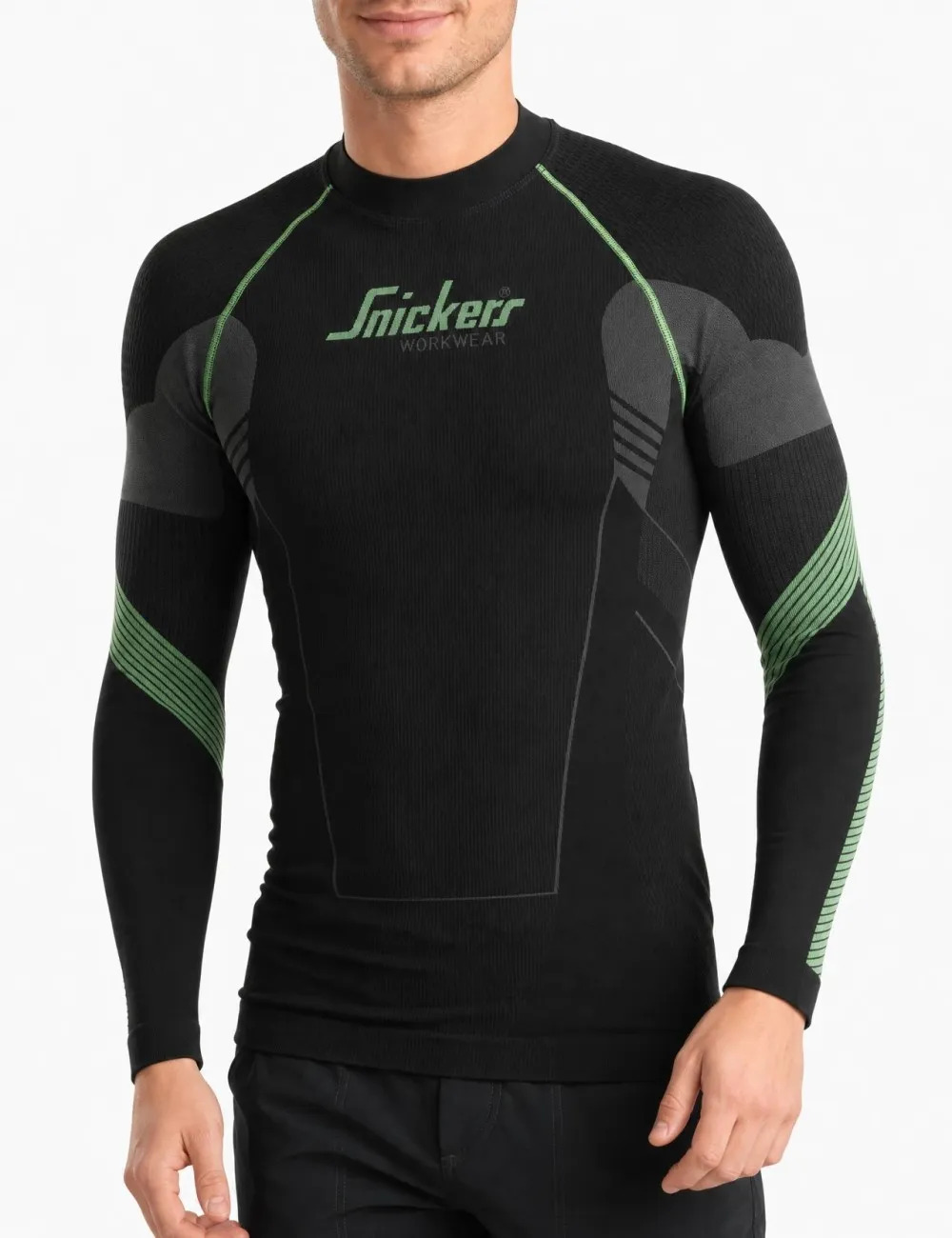
How to choose thermal underwear for winter and activity?
First, match the underwear to your work or activity level. One model will suit someone working physically outdoors, another a driver, and another a skier or someone out for a walk. Activity should guide the choice, not just the label “winter”.
When choosing, it is worth paying attention to a few things:
- fit – the underwear should sit close to the body without restricting movement,
- material – synthetics usually wick moisture better, while merino wool tends to support thermal comfort at lower activity levels,
- weight and thickness – a thinner layer works well for high movement, while a thicker one suits frost and a slower pace,
- sleeve and leg length – long sleeves and full-length bottoms give fuller coverage,
- seam finish – flat seams usually improve comfort when worn all day.
If you are looking for a base layer, our guide on how a base layer works may also help. It is a good reference point, because winter comfort starts with the first layer.
It is also worth remembering the difference between everyday wear and intense work. For winter in the city, a lightweight, well-fitted thermal top is often enough. For building sites, warehouses or frequent temperature changes, choose a model that wicks moisture well and dries quickly.
Bosafety
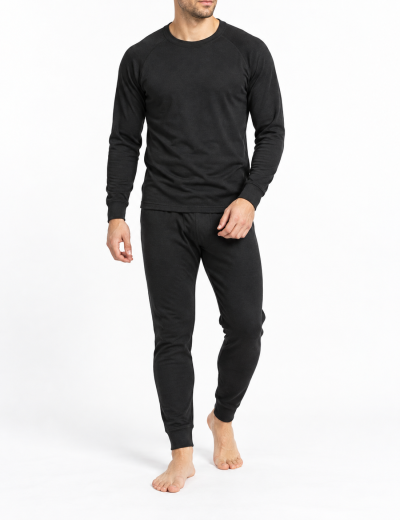
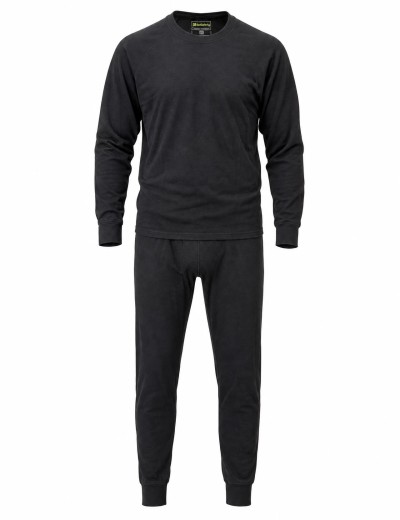
Bosafety Merino Wool thermal underwear


Snickers Workwear
Snickers 9444 thermal underwear set


Cat
Cat Thermo Shirt Long Sleeve

Nikwax
NIKWAX BaseWash thermal underwear washing liquid
What should you look for in the material?
Material matters because it determines how the underwear performs after several hours of wear. Synthetics are a good choice if you want fast moisture transfer and quick drying. Merino wool is more often the better option when retaining warmth and staying comfortable at lower activity levels are the priorities.
If you are wondering whether thermal underwear is warm, the answer is: it helps the body retain heat, but it is not a source of heat by itself. Its job is to reduce heat loss, move moisture away from the skin and create a stable layer next to the body. That is why it works best as part of a complete outerwear system.
In practice, the most common breakdown looks like this:
- for high activity, choose a lighter, breathable thermoactive layer,
- for static work in the cold, consider a warmer layer with better insulation,
- if you feel the cold easily, look for a model with long sleeves and full-length legs,
- if you sweat quickly, prioritise ventilation and moisture management.
It is also worth answering whether thermal underwear needs to be tight. Usually it should be close-fitting, because that is how it works best as a first layer. If it is too loose, it may not manage moisture as effectively and may provide less thermal comfort.
Can you wear underwear under thermal underwear? Most often, yes, unless the manufacturer specifies otherwise. In practice, it is about comfort, hygiene and avoiding unnecessary seams under workwear or sports clothing.
Which thermal underwear should you choose for a specific use?
If you need underwear for winter physical work, look for models that support moisture wicking and do not restrict movement. For people who stay active, thermoactive underwear is usually better than a very thick insulating layer. The same applies to sports, where comfort depends on whether the fabric can keep up with the pace of effort.
If everyday wear is your main goal, pay attention to fabric softness, seam comfort and how the layer fits under clothing. In these situations, it is not just about warmth, but also about whether the garment rolls up or presses in the wrong places.
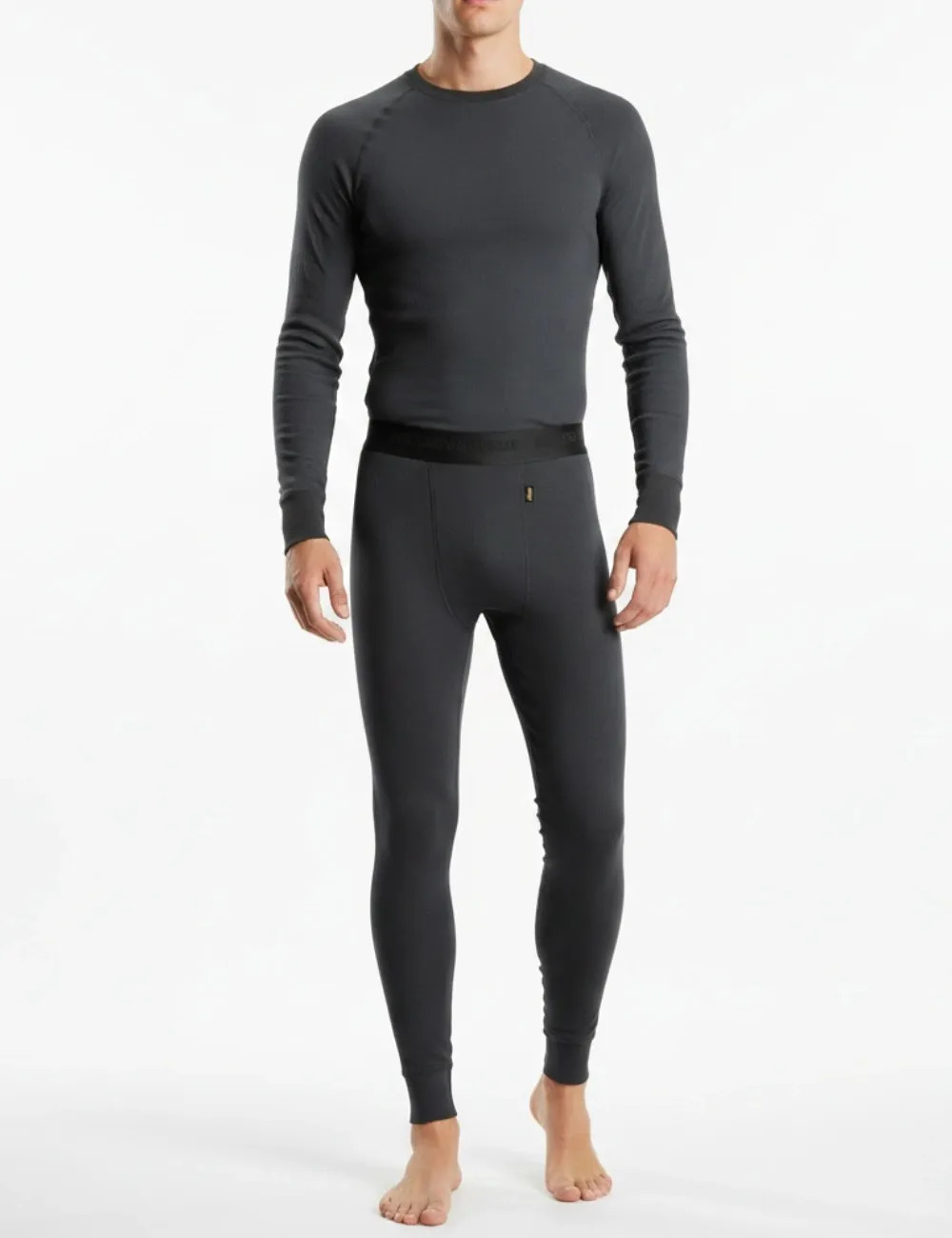
In our range, a few models are worth highlighting because they cover different needs. Bosafety merino thermal underwear is a good choice when warmth and comfort in cold conditions are the priority. Snickers 9444 thermal underwear set works well as a winter first layer for high-activity work. If you need a lighter top for movement, take a look at Dassy Pierre thermal shirt too.
Recommended thermal underwear models for winter
The best model depends on how active you are and how much you feel the cold. Below are a few options that show different approaches to a winter base layer.
Snickers Workwear
Snickers 9444 thermal underwear set
Engelbert Strauss
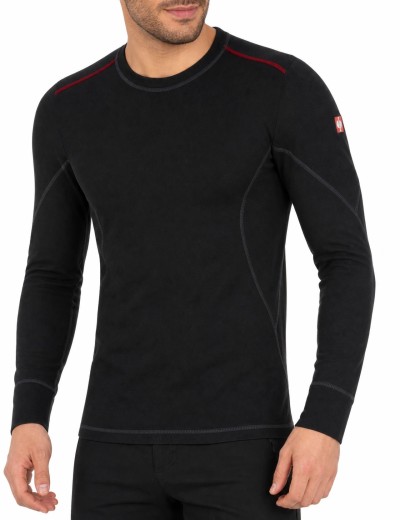
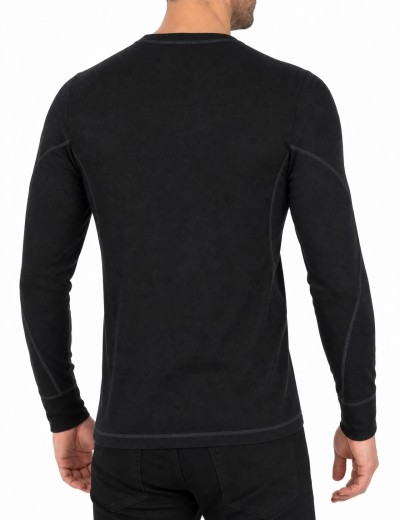
Engelbert Strauss base light long-sleeved thermal shirt
Engelbert Strauss
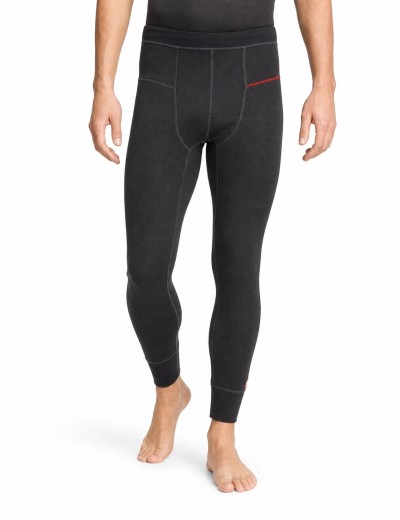
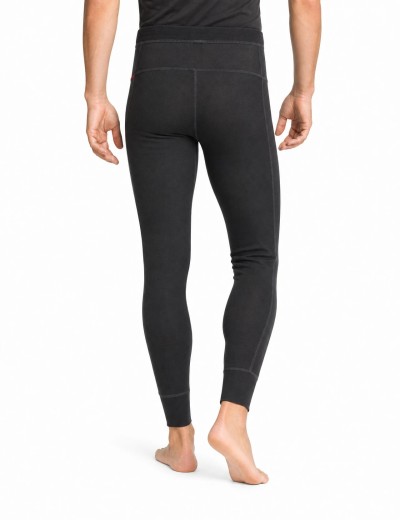
Engelbert Strauss Basis Light thermal pants


Snickers Workwear
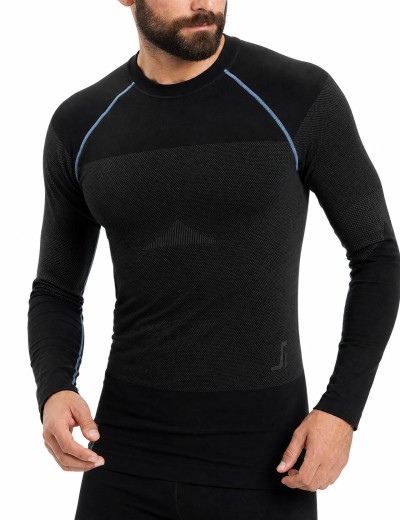
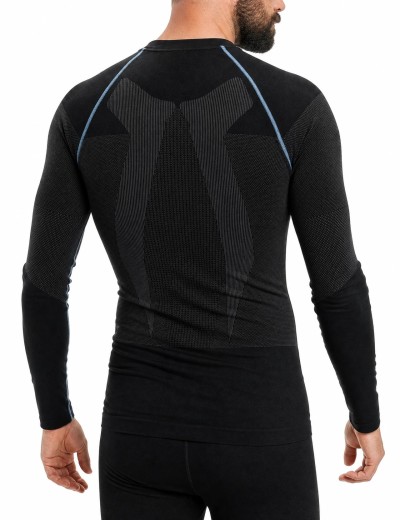
Snickers 9425 Flexiwork base layer longsleeve
Snickers Workwear
Snickers 9418 termoactive longsleeve LiteWork 37.5®
Snickers 9444 thermal underwear set
This is a men’s first-layer set designed for outdoor work in frosty conditions. The double-layer knit supports insulation and moisture wicking, while the terry inner surface improves comfort. Flat seams help reduce chafing, which matters on long workdays.
Bosafety merino thermal underwear
This set includes a long-sleeved top and full-length bottoms, so it works well as a complete winter base layer. Merino wool helps retain warmth close to the body, and flat seams improve comfort. It is a good option for people who need extra thermal comfort in cold conditions.
Dassy Pierre thermal shirt
This long-sleeved model is designed for winter conditions, with an extended back and fabric that supports ventilation. It is a solid choice for anyone who wants a close-fitting layer under outerwear. The manufacturer also highlights antibacterial and quick-drying properties.
Snickers 9425 Flexiwork long-sleeve thermoactive shirt
This is a good option for people doing intense work who need breathability and comfort. Seamless construction, ventilation zones and a fitted cut help maintain comfort during movement. It suits active work better than standing around in the cold.
Helly Hansen Lifa Half Zip thermal top
This lightweight first layer has a zip at the neck, making ventilation easier to adjust. The comfortable fit and lack of side seams make it well suited to active use. If you need a top to wear under additional layers, this type of cut is very practical.
Summary: how to choose thermal underwear for winter
In short: if you move a lot, choose thermoactive underwear; if you often stand still or work in the cold with little activity, choose a warmer model that fits well. Fit, material and intended use are the key factors, because they decide whether you stay warm, dry and comfortable.
If you also want to choose the right upper layer for the full outfit, check our thermal tops category and match the model to your work or activity. A well-built base layer under a jacket makes more difference than you might think.
BalticWorkwear specialists' advice
The most common mistake when choosing thermal underwear is buying a model that is too thick “just in case”. For high effort, a layer that wicks moisture is better than one that simply feels very warm. That is why we recommend first deciding whether you work statically or on the move.
The second important factor is size. Thermal underwear should sit close to the body, but it should not press under the arms, across the shoulders or around the waist. If you plan to wear it all day, pay attention to seams, sleeve length and whether the top rides up when you bend down.
We also see many people using one set for everything. In reality, one model may be better for warehouse work, while another suits cycling to work or a mountain trip. If your conditions change often, it is worth having two versions: a lighter one and a warmer one.
Also follow the care instructions on the label and replace the underwear when it no longer fits well, has lost elasticity, or no longer manages moisture properly. That matters more than the item’s age alone.
FAQ – frequently asked questions
How is thermoactive underwear different from thermal underwear?
Thermal underwear is mainly focused on retaining warmth, while thermoactive underwear also helps move moisture away from the skin. In practice, thermoactive underwear is better for movement, while thermal underwear is more often chosen for stronger cold and lower activity. The right choice depends on what you do in winter.
Which is better: thermoactive or thermal underwear?
There is no single best option for everyone. For physical work and active use, thermoactive underwear is usually better because it helps keep you dry and comfortable. For a slower pace and stronger feelings of cold, a more insulating model is often the better choice.
Does thermal underwear keep you warm?
It helps the body retain heat, but it is not a source of heat on its own. Its job is to reduce heat loss, move moisture away and improve comfort in cold conditions. That is why it works best as part of a full layering system.
Should thermal underwear be tight?
It should usually be close-fitting, because that is how it works best as a first layer. If it is too loose, it may not sit properly against the body and may wick moisture less effectively. That does not mean it should feel restrictive, though — freedom of movement still matters.
How do you wash thermal clothing?
The safest option is to wash it according to the manufacturer’s label and avoid products that may weaken the fabric’s properties. It is also worth avoiding excessive heat when drying, unless the manufacturer recommends it. The exact rules depend on the material, so always check the care label.
Do you wear underwear under thermal underwear?
You can, but it is not required. It depends on comfort, the cut of the underwear and personal preference. The most important thing is that the full outfit is comfortable and does not cause chafing during movement.

Recommended products
Bosafety
Bosafety Merino Wool thermal underwear
Engelbert Strauss
Engelbert Strauss Basis Light thermal pants


Helly Hansen
Helly Hansen Lifa Crewneck Thermal T-shirt


Helly Hansen
Helly Hansen Lifa Half Zip Thermal T-shirt
Snickers Workwear
Snickers 9418 termoactive longsleeve LiteWork 37.5®
Snickers Workwear
Snickers 9425 Flexiwork base layer longsleeve
Snickers Workwear
Snickers 9444 thermal underwear set

